Orphan places
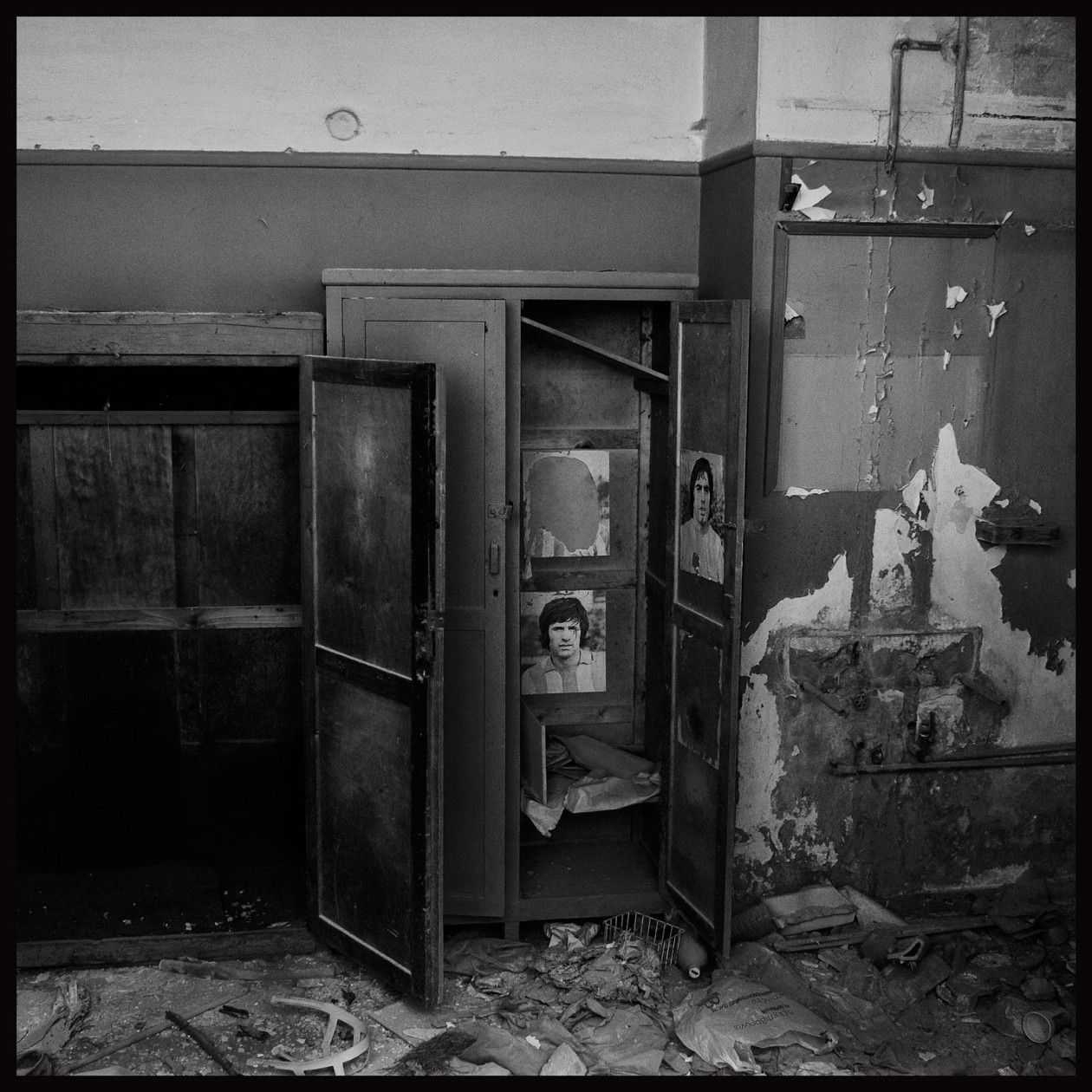
The return to abandoned factories was done without any specific purpose. It began simply as a curiosity about form, texture, and the way light invades broken windows and cracked ceilings. How can a lens capture the desolation of a previously "living" space?
What emerged was a theatrical setting—at once chaotic and meticulously tidy, as if time and objects had finally taken their rightful place in history. Yet, beneath the aesthetic exploration of form, the title Orphan places carries a quiet, personal resonance, echoing an early and abrupt personal experience of loss. These deserted structures, suddenly stripped of their function and human vitality, mirror a profound sense of sudden absence.
Serving as a visual prologue to Absence, this series represents an initial exploration into the language of industrial ruins. Human presence—whether registered through decaying objects, worn surfaces, or forgotten marks—remains inestimable. In these scenes, light majestically reveals and conceals, bestowing a mystical sense upon spaces that now belong solely to those who once occupied them.